Try the latest PoloX AI Agent
Start free · no sign-up
CHOOSE A FREE GENERATORFree AI video generator →Free AI image generator →
Try the latest PoloX AI Agent
One creative workspace for your next idea.
PUBLISHED 2026-08-23 · INDEPENDENT EDITORIAL

A rights-aware SeaArt workflow for models, LoRAs and image-to-video

A detailed guide to exploring a broad community model library while protecting source discipline, creative ownership, and repeatability.

Start a draft on Polox ↗

Start with the finished artwork

SeaArt AI offers artists and visual experimenters a large model ecosystem plus reusable style and training tools. Before generating, decide what the finished asset must communicate, where it will appear, which dimensions are required, and what visual details must remain consistent. Note the audience, desired action, deadline, accessibility needs, and rights constraints. SeaArt combines creation with discovery and community, so inspiration must remain separate from permission. Record which model, LoRA, reference, and source asset shaped the result, and confirm whether each component can be used in the intended context.

Map inputs before choosing a model

Inventory every input: scripts, prompts, product facts, reference images, footage, voices, music and brand rules. Mark which materials are original, licensed, public-domain or still awaiting permission. Then choose a model based on the actual input and output relationship. Text-to-image is appropriate when visual exploration is still open. Image-to-video is better when composition and identity are already approved. Text-to-video can explore movement quickly, while reference-to-video can protect a character, product or setting. This input map is also the basis for troubleshooting because it shows whether a defect began in the source, prompt, model or finishing stage.

Run a controlled comparison

A serious comparison changes one decision at a time. Keep the subject, composition, aspect ratio and evaluation rubric stable while testing two or three model options. Generate a small batch, then record prompt adherence, identity consistency, geometry, typography, motion stability, audio fit, processing time and revision effort. Do not choose a winner from one lucky output. Count how many generations become usable and how long correction takes. SeaArt AI 2.0 Beta should earn a place in the workflow by reducing total production friction, not by offering the longest feature list.

Build the source frame

For image-to-video, the still image carries more responsibility than many teams expect. It establishes silhouette, depth, lighting, materials, facial identity and the space in which motion must occur. Remove contradictory details and reserve copy space before animation. Inspect hands, reflections, labels, small objects and background geometry at full size. If the source frame is ambiguous, the video model must invent missing structure across time. That often creates drift or physically implausible motion. Approve one anchor image and keep it in the production record beside the prompt and model choice.

Direct motion in layers

Write motion as separate layers: subject action, environmental movement, camera behavior, timing and sound. “A product moves cinematically” is too vague. A better direction might specify that the product remains fixed while fabric moves gently, the camera makes a slow ten-degree orbit, highlights travel across one edge and the final second holds for a call to action. Short tests reveal whether the model understands these relationships. Expand duration only after the core movement works. This staged approach reduces credit waste and creates clearer feedback for the next pass.

Review facts and rights

Generation does not remove editorial responsibility. Check names, prices, product features, locations, historical details and any claim a viewer may interpret as factual. Obtain permission for recognizable people, protected characters, private locations, uploaded references, voices, music and logos. Read the official model and platform terms because availability and commercial-use rules can differ. SeaArt uses Stamina and Credits, and the official mall states that costs and availability depend on the live model and plan. Rights can also differ by model or uploaded resource, so check current terms before commercial use. A rights-aware review is not a legal guarantee, but it creates a documented process and gives the team a chance to correct risky material before distribution.

Finish for the real channel

A generation is not a deliverable. Add captions, accessible contrast, safe margins, clean audio levels, a considered opening frame and an ending that gives viewers enough time to act. Reframe deliberately for vertical, square and landscape channels instead of relying on a blind crop. Watch the export from beginning to end on a small screen and with sound off. Confirm that text remains readable, pacing survives compression and the central idea appears early. Store the final file with its source assets, prompt, model, date and approval record.

Measure the usable result

Track cost per approved asset or usable second, not only the listed price per generation. Include failed generations, editing time, review time, re-renders and the cost of factual or legal correction. A cheaper model may be expensive if it requires repeated repair. A premium route may be efficient when it protects identity and reduces post-production. Over several projects, these records reveal which model fits each task and where templates genuinely help. They also make pricing decisions more resilient when providers change plans, credits or limits.

Choose what to learn next

Continue with the SeaArt AI review to judge product fit, the tutorial for ordered generation steps, the pricing guide for current credit questions, and the alternatives page for other official options. The AI image generator, AI video generator, image-to-video, and model pages go deeper on specific creative routes. Choose the next page that matches the decision you need to make.

What to do next

Choose one small, representative image or clip and complete it this week. Do not begin with the largest series or most complex training job. Use the same project goal for two suitable model routes, record every revision, and note what improved the result. Keep the decisions that worked, remove steps that added no value, and save the final settings for the next project. Revisit the official SeaArt AI product and pricing pages because features, models, and limits can change.

Document model lineage

For every approved image, save the checkpoint or foundation model name, LoRA names and weights, seed when available, sampler settings, reference files and meaningful prompt revisions. Add links to the creator or official model card instead of relying on a screenshot of the interface. This record is especially valuable in a discovery-heavy SeaArt workflow: a striking community example may be easy to remix but difficult to reproduce or clear for commercial use. Model lineage helps collaborators repeat an art direction, identify a problematic input and replace an asset when its terms are uncertain. It also creates a more honest boundary between visual inspiration, technical configuration and the rights attached to uploaded material.

Sources and related reading

Verify the live product at SeaArt AI and current plan structure at the official pricing source. Continue internally with the review, tutorial, guide, model directory and alternatives.
EXPANDED EDITORIAL NOTES · CHECKED 2026-08-30

How to turn a SeaArt AI idea into an approved asset

SeaArt AI is easiest to evaluate when the question is concrete: can this workflow turn a defined brief into an approved image or video without moving all of the labor into cleanup? The answer depends on the job, source assets and chosen route. This independent article focuses on LoRA and model-library workflows, not on a universal ranking. Remember that customization increases control but also increases responsibility for source images and licenses. Product names, models, access and prices change, so readers should confirm current details on the official SeaArt AI source before making a purchase or uploading confidential material.

Start with a one-page brief. State the audience, destination, aspect ratio, duration or pixel size, factual claims, rights owner and approval person. Then describe the visual target in observable terms. For SeaArt AI, the useful center of gravity is dataset governance. A vague request such as “make it cinematic” hides too many variables. A better brief names the subject, action, environment, camera behavior, palette and what must not change. This makes an AI image generator or AI video generator testable rather than magical.

The first pass should be deliberately small. Use one reference, one prompt, one model route and a modest number of variations. Record the exact prompt, input filename, model label, settings, date and reason for rejection. When a candidate is promising, change one variable at a time. This is especially important for caption quality, rights, trigger words and identity drift; if composition, lighting and motion all change together, a team cannot tell which instruction improved the output. A simple decision log is often more valuable than another gallery of unlabelled generations.

For an image-to-video workflow, approve the still frame before animating it. Check faces, hands, product geometry, typography, negative space and crop safety at the intended delivery size. Write a motion-only prompt after the image passes: describe one action, one camera move, environmental movement, pacing and an end state. For a text-to-image workflow, work in the opposite order by fixing composition and identity anchors before styling. SeaArt AI can support exploration, but the brief must carry the continuity rules.

Quality review should separate attractive output from usable output. Inspect frame edges, small text, reflections, object counts, temporal flicker, lip sync and background changes where relevant. Compare the result with the reference instead of relying on memory. For SeaArt AI, a practical scorecard can include prompt adherence, identity stability, repair minutes, approved seconds or images, credits spent and rights confidence. A result that looks impressive in a short preview may still fail when placed beside real campaign copy or a product page.

The strongest teams also test provenance. Keep a record of where references came from, whether a recognizable person consented, which license applies to the model or asset, and which synthetic-content disclosure a channel requires. Do not assume that an image found online is safe to upload or that a generated voice can be used commercially. Link readers to the official SeaArt AI documentation and the relevant background topic on Wikipedia; these are starting points for verification, not substitutes for current legal terms.

Budgeting should use cost per approved deliverable. Count failed generations, retries, upscales, storage, editing time and exports, then divide by the outputs that actually passed review. This method prevents a low headline price from hiding an expensive repair loop. It also makes alternatives easier to compare. A specialist may win on control while a broader suite wins on convenience. For SeaArt AI, test the same brief in at least one alternate route and write down why the selected workflow is better for this specific assignment.

A repeatable handoff keeps the article’s advice practical. The person writing the prompt should provide the approved reference, the non-negotiable identity anchors and a short acceptance checklist. The editor should receive the prompt and settings with the media, not as a screenshot buried in chat. The reviewer should be able to reproduce the best candidate or explain why it cannot be reproduced. This discipline matters for LoRA and model-library workflows because model updates can change behavior between two otherwise identical sessions.

Use the links below to continue the research path: the on-site review explains strengths and limits, the tutorial gives ordered steps, the guide covers the broader AI image generation and AI video generation workflow, and the model directory records capability notes. The official SeaArt AI website is the source for current product facts. Readers who want another creation route can try Polox AI, while the lower comparison links point to relevant alternatives rather than implying a partnership.

The practical conclusion is modest but useful. SeaArt AI may shorten the distance from idea to draft when its controls match the brief and a human remains responsible for selection, rights and factual accuracy. It should not be treated as an automatic publisher or as proof that every new model is production-ready. Begin with one representative asset, set a rejection rule, keep the source trail, and only then scale the workflow across a campaign. That is how an AI image generator or AI video generator becomes a dependable part of creative work.

Before calling a post complete, read it once as a new user and once as the person approving the asset. A new user should be able to understand the task, find the relevant tutorial, and reach a model or pricing page without guessing what to click. The approver should see which claims are sourced, which observations are editorial interpretation, and which limitations still need a live check. Keep anchor text descriptive rather than repeating a brand phrase in every sentence. When an external reference, image or video is included, explain why it helps and give the original source a followable link. This small final pass improves accessibility, provenance and usefulness at the same time, and it keeps a long article from becoming a collection of disconnected keywords.

If the first attempt fails, keep the failure visible in the working notes. Name the broken detail, reduce the number of simultaneous changes, and run the smallest useful retry. That habit gives future readers a real troubleshooting path and helps the team decide whether a different model, source image or editing step is warranted.

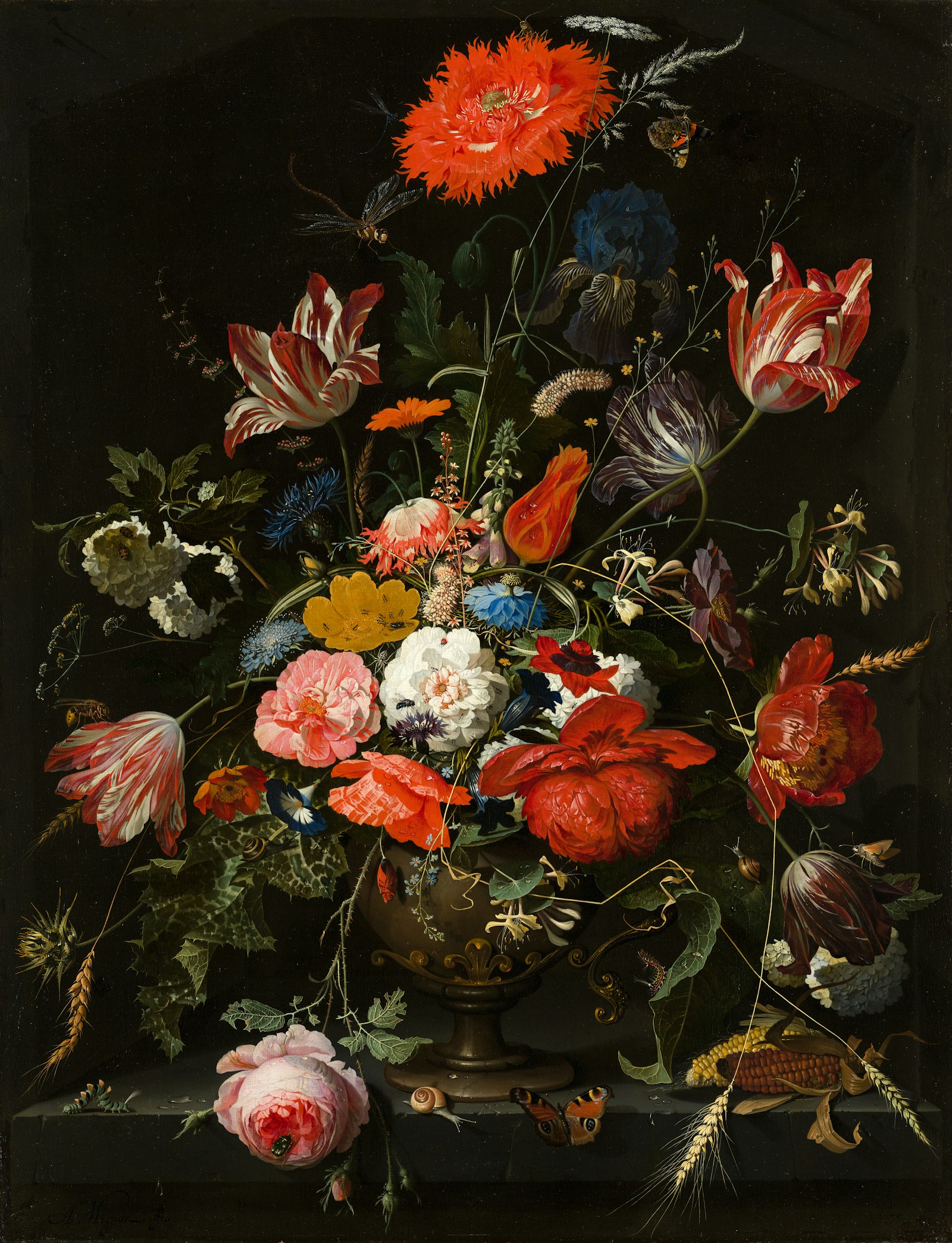
SeaArt AI LoRA and model-library workflows editorial workflow illustration
Illustrative editorial image for SeaArt AI workflow planning. Source: Unsplash, used as contextual media.

Related creator perspective · This third-party video is supplementary context; verify current features with SeaArt AI's official documentation.

Watch the related SeaArt AI perspective on YouTube ↗

YOUR NEXT CREATIVE STEP

Try PoloX AI Agent

Turn your ideas into images, videos, and more through conversation. Describe what you want to create and start on PoloX.

EXPLOREGPT Image 2.5
Sunburst & Flare
Try PoloX AI Agent